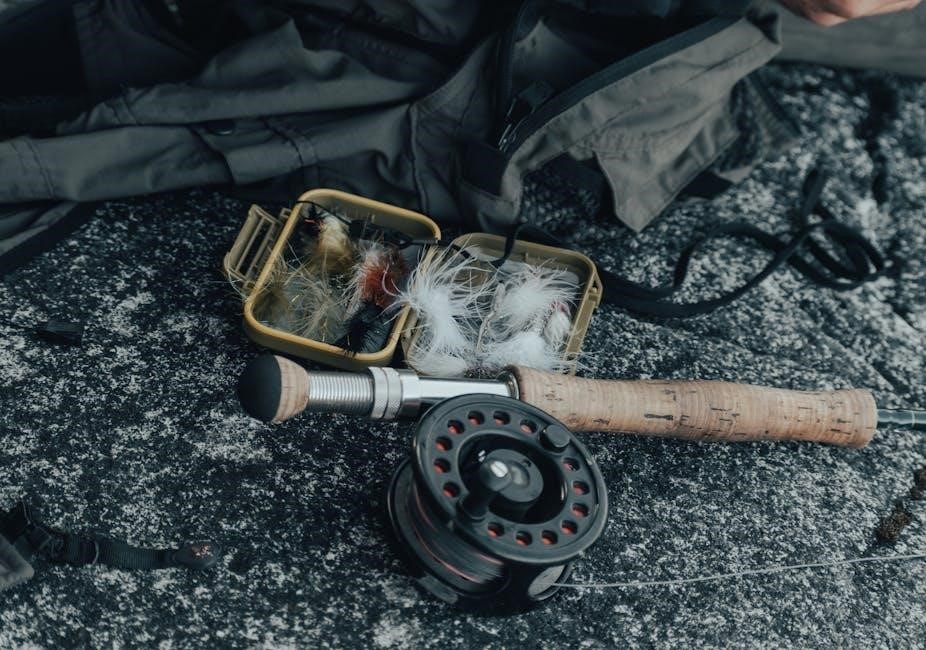
What is a Tightline Guide Service?
Tightline guide services offer specialized fly fishing experiences, focusing on a minimalist approach with long leaders and direct fly presentation.
These services, like Four Seasons Fly Fishing, blend expert knowledge with personalized instruction, enhancing the angling journey for enthusiasts of all levels.
Understanding the Core Concept
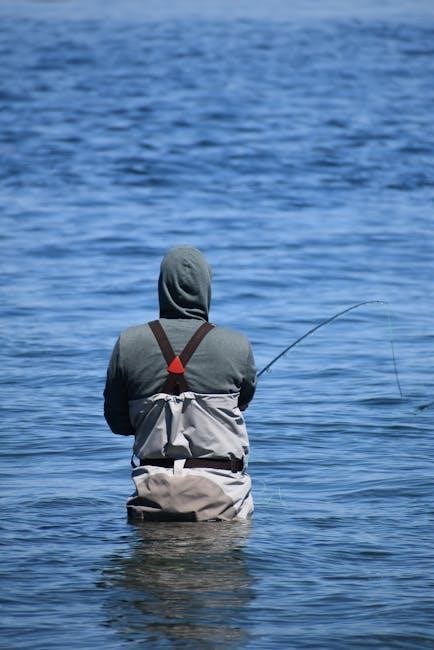
Tightline fishing represents a refined fly fishing technique, diverging from traditional methods by minimizing fly line influence. It centers around establishing a direct connection between the angler and the fly, utilizing exceptionally long leaders – often exceeding the rod length – to achieve delicate presentations. This approach prioritizes subtle drifts and natural fly movement, crucial for fooling wary trout in clear, calm waters.
Unlike techniques relying on fly line loading for casting, tightline emphasizes precision and control. The core concept revolves around maintaining constant contact with the fly, enabling anglers to detect even the slightest takes. This sensitivity demands a nuanced casting style and a deep understanding of water currents. A tightline guide expertly teaches these skills, fostering a more intimate and rewarding fishing experience, moving beyond simply casting and hoping for a strike.

The Rise in Popularity of Tightline Fishing
Tightline fishing’s growing appeal stems from its effectiveness and the increasingly sophisticated expectations of modern anglers. As fisheries face greater pressure, fish become more selective, demanding more natural presentations. Traditional methods sometimes fall short, prompting anglers to explore techniques like tightline, which excels in these conditions. The “Morning Hatch” highlights the evolving interests within fly fishing, showcasing this trend.
Furthermore, the minimalist nature of tightline resonates with anglers seeking a purer connection to the sport. It emphasizes skill and observation over complex equipment, appealing to those who appreciate a more challenging and rewarding experience. The demand for specialized guidance has fueled the rise of dedicated tightline guide services, like those offering instruction on precise casting and reading water, catering to this growing niche within fly fishing.
Benefits of Hiring a Tightline Guide

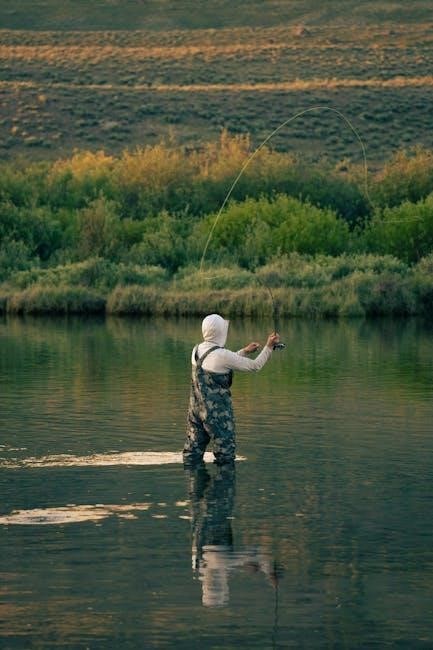
Experienced tightline guides provide invaluable expertise, unlocking access to productive fishing locations and streamlining your angling experience for optimal success and enjoyment.
Expert Local Knowledge
A proficient tightline guide possesses an intimate understanding of the specific river or waterway, far exceeding what most anglers could acquire independently. This deep local knowledge encompasses not just the physical layout – understanding the riverbed structure, currents, and potential holding lies – but also the subtle nuances of fish behavior within that ecosystem.
They are attuned to seasonal patterns, recognizing how fish movements are dictated by water temperature, insect hatches, and spawning cycles. This allows them to predict where fish are likely to be concentrated at any given time. Furthermore, a guide’s expertise extends to interpreting weather conditions and their impact on fishing success. They can adapt strategies on the fly, ensuring clients are presented with the best possible opportunities, even when conditions are challenging. This localized insight is invaluable for maximizing your time on the water and increasing your chances of a rewarding fishing experience.
Access to Prime Fishing Spots
Tightline guides frequently have exclusive or privileged access to prime fishing locations that are often inaccessible or unknown to the general public. This access isn’t simply about knowing where to go, but understanding when to fish specific spots for optimal results. They cultivate relationships with landowners and possess permits for accessing restricted areas, unlocking opportunities for truly exceptional angling experiences.
These prime locations are carefully selected based on years of observation and experience, offering consistent fish populations and favorable conditions for tightline techniques. Guides can navigate challenging river sections safely and efficiently, positioning clients in the most productive areas. This eliminates wasted time searching for suitable spots and dramatically increases the likelihood of encountering quality fish. Essentially, a guide provides a shortcut to the best fishing the area has to offer, maximizing your investment and enjoyment.
Time and Cost Efficiency

Hiring a tightline guide proves remarkably time and cost-efficient for anglers, especially those unfamiliar with a specific region or technique. Instead of spending valuable vacation time scouting locations and experimenting with unproductive methods, a guide provides immediate access to proven fishing spots and effective strategies. This focused approach dramatically increases your chances of success, maximizing your time on the water.
Furthermore, guides often provide equipment, reducing the need for expensive gear purchases. While fly fishing can be gear-intensive, a guided trip allows you to experience the sport without a significant upfront investment. Considering travel costs, lost fishing days due to inexperience, and potential gear expenses, a guide’s fee often represents a worthwhile investment, delivering a higher-quality, more productive, and ultimately more rewarding fishing experience.
Tightline Techniques Explained
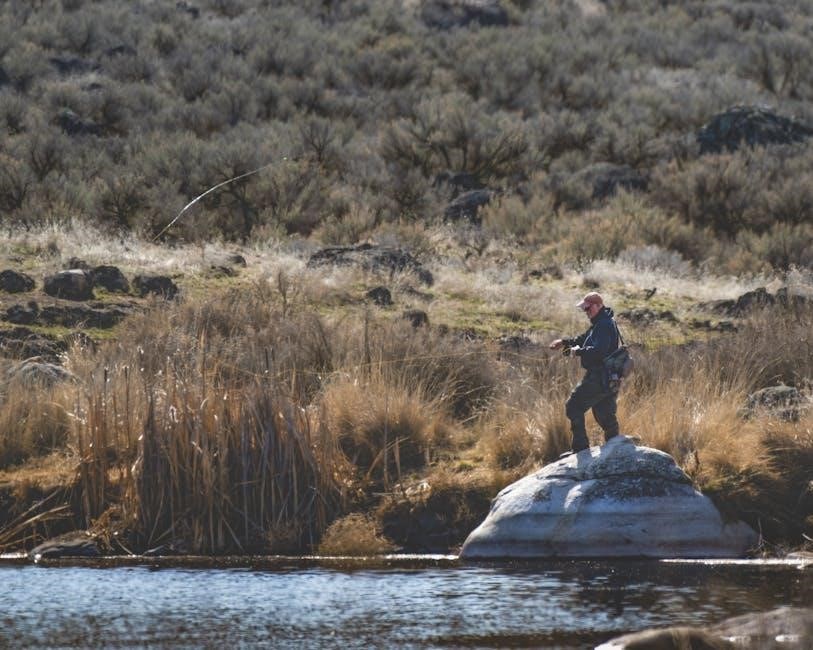
Tightline fishing centers on direct fly control, utilizing long leaders for subtle presentations, demanding precise casting and skillful reading of the water’s currents.
Reading the Water for Tightline Success
Effective tightline fishing hinges on a guide’s ability to decipher river currents and identify prime fish holding locations. Unlike traditional methods, tightline relies on presenting the fly naturally, drifting it through likely feeding lanes with minimal drag. A skilled guide will analyze seam lines – where faster and slower currents meet – looking for subtle disturbances indicating fish presence.
Understanding water depth and structure is crucial; fish often hold near rocks, logs, or within deeper pools offering protection. Guides observe surface film, searching for rising fish or insect activity, providing clues to what the fish are feeding on. They’ll also consider light penetration, as fish position themselves based on visibility and shadow cover. This detailed assessment, combined with years of experience, allows a tightline guide to position anglers for optimal success, maximizing drift length and presentation accuracy.
Fly Selection for Tightline Fishing
Choosing the right fly is paramount in tightline fishing, demanding a nuanced approach beyond simply matching the hatch. Because tightline emphasizes natural drift, flies must be weighted appropriately to sink at the correct rate, maintaining contact with the river bottom. Guides often favor slender, sparsely tied patterns that mimic natural invertebrates, reducing drag and enhancing realism.
Pheasant tail nymphs, hare’s ear nymphs, and various midges are staples, but selection depends heavily on the specific river and current conditions. A guide’s local knowledge is invaluable in determining which insects are prevalent and what the fish are actively feeding on. They’ll often carry a diverse selection of sizes and colors, adapting to changing conditions throughout the day. Furthermore, understanding fly density and profile is key – a subtle presentation often outperforms a flashy one in clear, pressured waters.
Essential Tightline Knots and Rigging
Mastering specific knots is crucial for successful tightline fishing, ensuring secure connections and minimal interference with fly presentation. The improved clinch knot remains a reliable choice for attaching the fly, while a loop-to-loop connection is favored for joining the leader to the fly line, facilitating easy leader changes. A blood knot or surgeon’s knot is essential for building tapered leaders, crucial for delicate presentations.
Rigging involves a long, fine leader – often 7x to 9x – extending several times the rod length. Guides will demonstrate how to create a smooth, gradual taper, minimizing visibility and maximizing drift. Proper knot tying minimizes bulk and maintains the leader’s suppleness. Understanding the importance of a direct connection between fly line and leader, avoiding unnecessary swivels or indicators, is also key to the tightline approach. A well-rigged system is nearly invisible underwater.

Choosing the Right Tightline Guide Service
Selecting a guide demands careful consideration of qualifications, experience, and specializations, like focusing on specific species or rivers, ensuring a tailored and successful fishing experience.
Guide Qualifications and Experience
When evaluating a tightline guide service, prioritizing guide qualifications and demonstrable experience is paramount for a rewarding and safe outing. A seasoned guide, such as Gene of Four Seasons Fly Fishing, possesses not only technical proficiency in tightline techniques but also an intimate understanding of the local waters.
Look for guides with certifications in fly fishing instruction, wilderness first aid, and CPR. Years spent guiding on specific rivers translate to invaluable knowledge of fish behavior, seasonal patterns, and optimal fly presentations.
An experienced guide will be adept at reading the water, identifying holding lies, and adapting strategies to changing conditions. They should be able to clearly articulate techniques, offer constructive feedback, and ensure clients understand the nuances of tightline fishing. Furthermore, a reputable guide will prioritize safety, possessing a strong awareness of river hazards and emergency procedures.
Don’t hesitate to inquire about a guide’s background, years of experience, and areas of expertise to ensure a good fit for your skill level and fishing goals.
Service Specializations (Species & Rivers)
Tightline guide services often specialize in targeting specific fish species and operating on particular rivers, reflecting a deep understanding of those ecosystems. Traditional Spey fishing, a close relative to tightlining, is strongly associated with steelhead and salmon in rivers like those found in the Pacific Northwest.
However, tightline techniques are increasingly applied to trout fishing and other species in diverse river environments. When selecting a service, determine if their expertise aligns with your desired target. Some guides may focus exclusively on large river systems, while others cater to smaller streams.
Consider whether the service offers trips tailored to different skill levels and fishing preferences. A specialized guide will possess detailed knowledge of seasonal runs, prime holding locations, and effective fly patterns for the target species within their chosen rivers.
Confirm the service’s operational area and ensure it matches your preferred fishing destination for a truly focused and productive experience.
Client Reviews and Testimonials
Evaluating client reviews and testimonials is crucial when choosing a tightline guide service. These provide invaluable insights into the quality of experience offered, beyond the guide’s self-promotion. Look for consistent patterns in feedback – are clients repeatedly praising the guide’s knowledge, patience, or ability to locate fish?
Pay attention to reviews detailing the guide’s communication skills and responsiveness to client needs. A good guide will adapt to your skill level and preferences, ensuring an enjoyable and educational trip. Seek out testimonials that specifically mention the tightline techniques employed and their effectiveness.
Independent review platforms and fishing forums can offer unbiased opinions. Consider the source of the testimonials – are they prominently displayed on the guide’s website, or found on third-party sites? Genuine feedback often provides a more accurate representation of the service.
Positive testimonials regarding safety protocols and professionalism are also important indicators of a reputable guide service.
Gear and Equipment Considerations
Essential tightline gear includes specialized fly rods, lines designed for delicate presentation, and crucial accessories for a successful and comfortable fishing experience on the water.
Recommended Fly Rods for Tightline
Selecting the right fly rod is paramount for successful tightline fishing, demanding a balance of sensitivity and power. Generally, rods in the 3-weight to 6-weight range are ideal, depending on the target species and river conditions. Longer rods, typically 10 to 11 feet, are favored for their enhanced line control and reach, facilitating delicate presentations.
Look for rods with a moderate-fast to fast action, providing sufficient backbone for casting and fighting fish while maintaining a soft enough tip for accurate fly delivery. Graphite rods are popular for their lightweight nature and sensitivity, allowing anglers to feel subtle strikes. Consider brands known for quality and precision, ensuring durability and performance on the water. A comfortable grip and well-spaced guides are also crucial for extended fishing sessions, maximizing both enjoyment and effectiveness.
Essential Fly Lines for Tightline
Choosing the correct fly line is critical for tightline success, differing significantly from traditional fly fishing setups. Weight-forward (WF) lines are generally preferred, offering efficient energy transfer for casting long leaders. However, a specialized tightline taper, often with a longer head and gradual taper, excels at delicate presentations and maintaining contact with the fly.
Look for lines designed for roll casting and delicate presentations, as tightline fishing often involves minimal false casting. Floating lines are standard for most situations, allowing the fly to drift naturally. Consider a line one size heavier than your rod weight to aid in loading the rod and turning over the long leader. High-quality lines with low stretch enhance sensitivity, enabling anglers to detect subtle takes. Proper line maintenance, including cleaning and dressing, extends lifespan and optimizes performance.
Must-Have Accessories for a Tightline Trip
Beyond the rod and line, several accessories elevate the tightline experience. Polarized sunglasses are paramount, cutting glare to reveal fish and underwater structure. A quality wading vest or pack secures essential tools like nippers, forceps, and floatant. Leader and tippet material in various sizes are crucial, given the long leader lengths employed in tightline fishing.
A lightweight net with a rubber mesh protects delicate fish. Wading boots with felt or rubber soles provide traction, and wading socks or breathable waders ensure comfort. A waterproof fly box keeps flies organized and dry. Don’t forget a camera to capture memorable catches! Finally, a small pack containing sunscreen, insect repellent, and a first-aid kit enhances safety and enjoyment on the water.

Safety Protocols with a Tightline Guide
Experienced guides prioritize safety, emphasizing river awareness, proper wading techniques, and responsible fish handling. They also establish clear communication and emergency procedures for a secure trip.
Wading Safety and River Awareness
A proficient tightline guide places paramount importance on wading safety and comprehensive river awareness, ensuring a secure and enjoyable experience for clients. Before entering the water, guides meticulously assess current conditions, identifying potential hazards like swift currents, slippery rocks, and deep pools. They instruct anglers on proper wading techniques, emphasizing the importance of maintaining a low center of gravity, utilizing appropriate wading footwear with felt or rubber soles, and employing a wading staff for added stability.
Guides consistently monitor river levels and changes in flow, adapting strategies as needed. They educate clients about reading the water, recognizing subtle cues indicating dangerous areas, and understanding the impact of weather conditions on river dynamics. Furthermore, a responsible guide will always scout the wading route beforehand, selecting the safest and most efficient path. Constant vigilance and proactive communication are key components of a safe wading experience, fostering confidence and minimizing risks for all involved.
Proper Handling of Fish
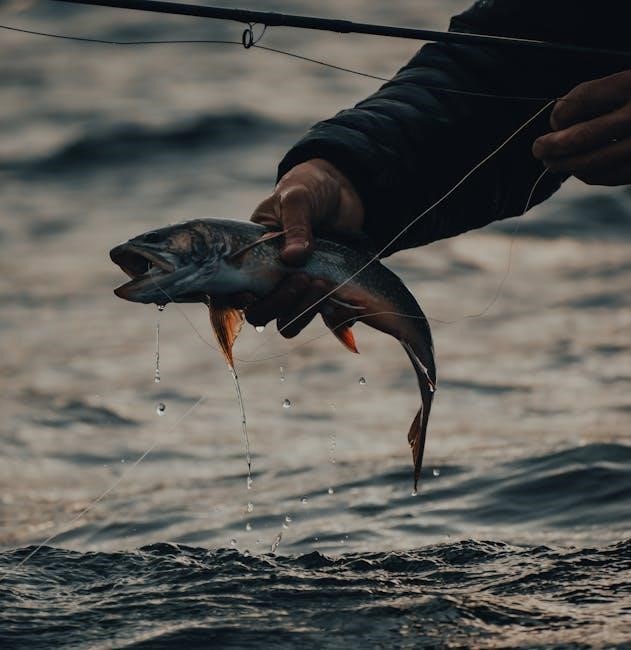
Ethical tightline guide services prioritize the well-being of the fish, emphasizing responsible handling techniques to minimize stress and maximize their chances of survival. Guides demonstrate and enforce best practices, including keeping fish in the water as much as possible, utilizing wet hands when handling, and avoiding contact with dry surfaces. They advocate for the use of barbless hooks to facilitate easy and swift removal, reducing injury to the fish’s delicate mouth.
Guides educate clients on proper fish support methods, ensuring the fish remains horizontal and receives adequate water flow over its gills. They discourage prolonged air exposure and unnecessary lifting. Furthermore, a conscientious guide will explain the importance of minimizing handling time and avoiding squeezing the fish’s body. Promoting catch-and-release principles and demonstrating respect for the resource are integral aspects of a reputable tightline guide’s commitment to conservation.
Emergency Procedures and Communication
Reputable tightline guide services prioritize client safety through comprehensive emergency preparedness and clear communication protocols. Guides are trained in swift water rescue techniques, carry first-aid kits, and possess knowledge of local emergency services access points. Before each trip, they discuss potential hazards – like slippery rocks or changing river conditions – and establish a clear plan of action in case of an incident.
Effective communication is paramount. Guides maintain constant awareness of weather patterns and river levels, promptly informing clients of any developing risks. They ensure clients understand hand signals for communication across the river and carry reliable communication devices (satellite phones or radios) in areas with limited cell service. A detailed trip briefing covers emergency contact information and evacuation procedures, fostering a secure and informed angling experience. Proactive safety measures are non-negotiable.