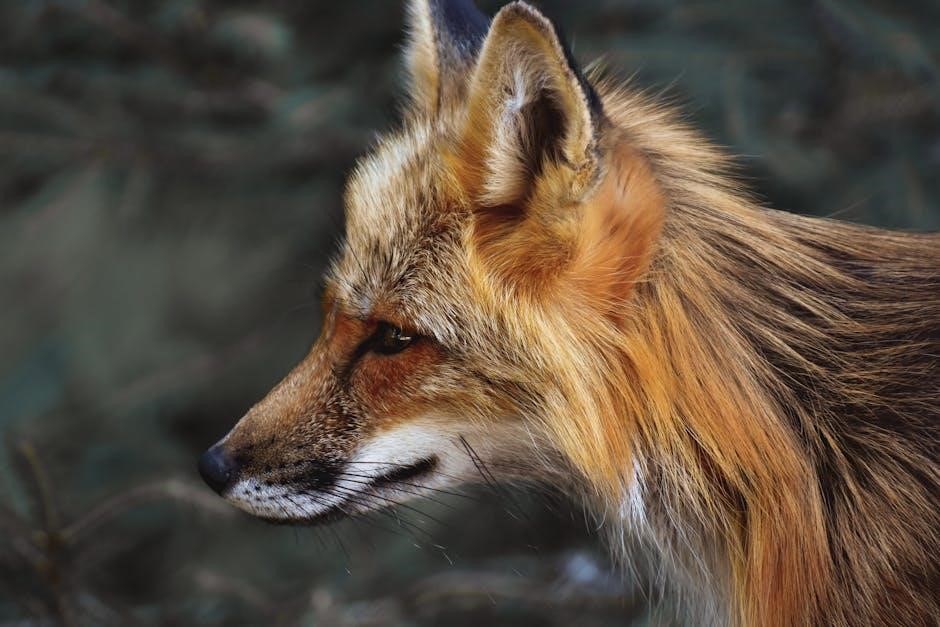
Embark on a thrilling journey through theHunter: Call of the Wild, mastering reserves, gear, and techniques to consistently bag impressive, high-scoring trophies․
Understanding Trophy Quality
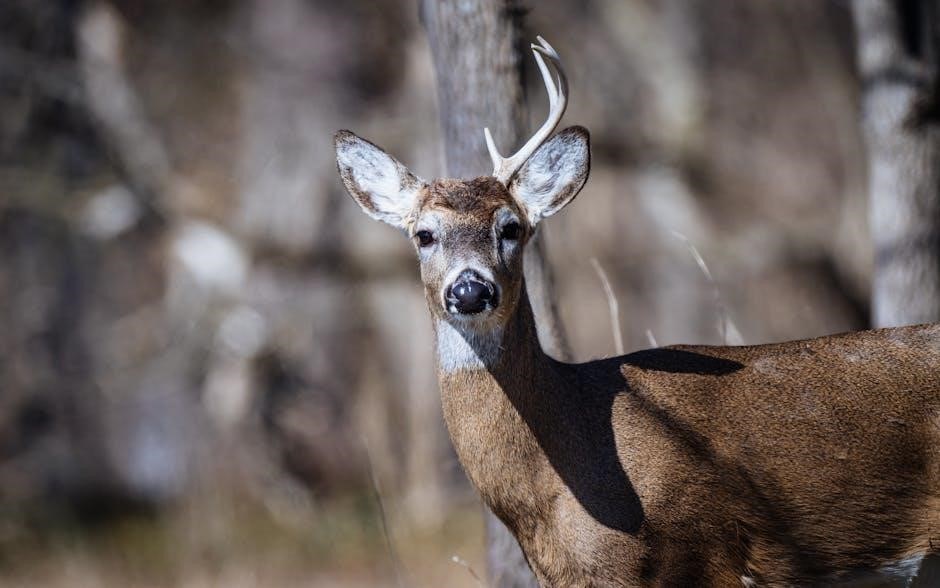
Trophy quality in theHunter: Call of the Wild isn’t simply about size; it’s a complex evaluation based on several factors․ Antler development, specifically the number of points, beam length, and overall symmetry, are crucial for deer and elk․ For other animals, horn circumference, length, and shape contribute significantly to the score․
The game employs a scoring system mirroring real-world methods like the Boone and Crockett Club standards․ Understanding these metrics allows hunters to prioritize targets with the greatest potential․ Beyond raw measurements, the health and condition of the animal also influence the final score, rewarding hunters who pursue mature, prime specimens․ Successfully identifying and harvesting these exceptional animals requires patience, skill, and a keen eye for detail․
Importance of Shot Placement
Precise shot placement is paramount in theHunter: Call of the Wild, directly impacting both the animal’s score and the ethical nature of the hunt․ A clean, well-placed shot to vital organs – the heart and lungs – ensures a quick, humane kill, minimizing suffering․ Shots to the extremities, while potentially wounding an animal, drastically reduce trophy quality due to bone damage and potential score deductions․
Mastering anatomical knowledge is crucial․ Understanding where these vital organs are located for each species allows for consistently accurate shot placement․ Utilizing the game’s bullet trajectory and rangefinding tools further enhances precision․ Remember, a slightly imperfect shot can result in a lower score, while a poor shot can ruin a potential trophy and compromise ethical hunting practices․
Reserves and Their Trophy Potential
Each reserve offers unique challenges and opportunities for trophy hunting, boasting diverse species and terrain that demand tailored strategies for success․
Hirschfelden Hunting Reserve ⸺ Red Deer Focus
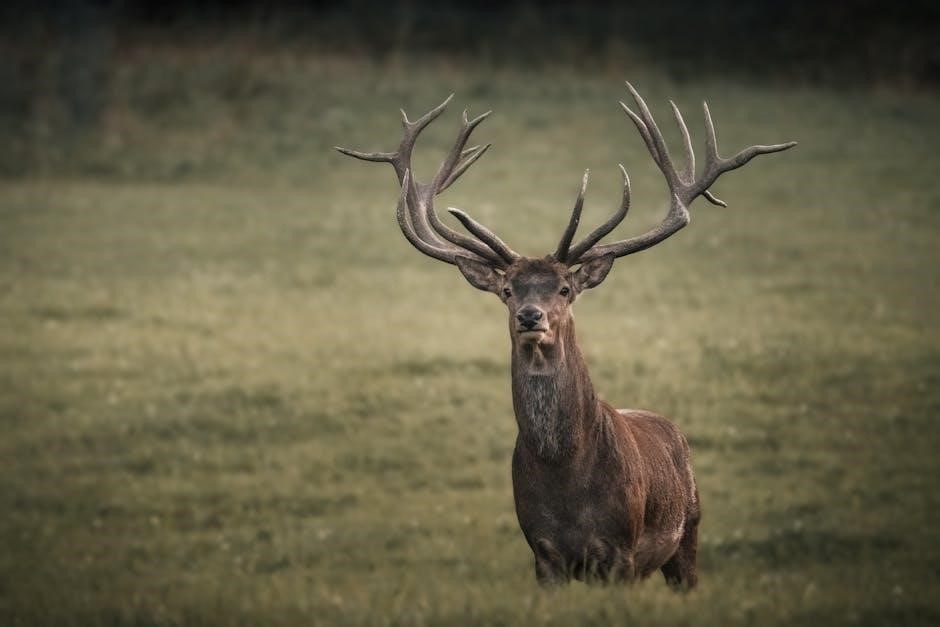
Hirschfelden, a picturesque European-inspired reserve, is renowned as the premier location for pursuing magnificent Red Deer․ Rolling hills, dense forests, and open meadows create a classic hunting environment․ Success here hinges on understanding Red Deer behavior – their rutting patterns, feeding grounds, and preferred travel routes․
Prioritize scent control and utilize the terrain to your advantage for stealthy stalks․ Pay close attention to wind direction, as Red Deer possess an exceptional sense of smell․ Trophy-class Red Deer are abundant, but require patience, precision, and a well-placed shot․ Mastering the art of tracking and identifying subtle signs, like rubs and scrapes, will significantly increase your chances of a successful hunt in Hirschfelden․
Parque Fernando ― Argentinian Red Deer & Blackbuck
Parque Fernando presents a unique hunting experience, blending the challenge of Argentinian Red Deer with the swiftness of Blackbuck Antelope․ This South American reserve features varied terrain, from open pampas to scrubland and forested areas․ Argentinian Red Deer, while similar to their European cousins, exhibit distinct behavioral patterns adapted to the warmer climate․
Blackbuck, known for their spiraled horns, demand quick reflexes and accurate shooting․ Employing ambush tactics near watering holes or feeding areas proves effective; Understanding the differences in trophy scoring for both species is crucial․ Parque Fernando offers a diverse hunting landscape, requiring adaptability and a keen eye for spotting these elusive animals amidst the expansive scenery․
Medvezhiy Hunting Reserve ― Brown Bear & Moose
Medvezhiy Reserve embodies raw wilderness, demanding respect and careful planning for both Brown Bear and Moose hunts․ This Russian landscape is characterized by dense forests, rugged mountains, and sprawling wetlands, creating a challenging environment․ Brown Bear hunting requires patience, utilizing bait or tracking through dense cover, always prioritizing safety due to their immense power․
Moose, the largest members of the deer family, necessitate long-range shooting skills and knowledge of their rutting behavior․ Success hinges on identifying their trails and preferred feeding grounds․ Trophy quality in Medvezhiy is exceptional, but achieving a clean, ethical harvest demands precise shot placement and appropriate caliber selection․ Prepare for a truly immersive and demanding hunting experience;
Yukon Valley Reserve ⸺ Caribou & Dall Sheep
Yukon Valley presents a breathtaking, yet demanding, hunting ground focused on Caribou and Dall Sheep․ This reserve’s mountainous terrain and vast, open spaces require exceptional marksmanship and stamina․ Dall Sheep hunts necessitate careful stalking and precise shooting at extreme distances, often above the treeline, demanding proficiency with rangefinders and ballistics․
Caribou, migrating in large herds, offer dynamic hunting opportunities, but require quick target acquisition and understanding of their movement patterns․ Trophy quality is high, but the challenging environment and elusive nature of these animals demand patience and skill․ Prepare for long hikes, variable weather, and the thrill of pursuing iconic North American game․
Essential Hunting Gear for Trophy Hunting
Maximize your success with carefully selected rifles, ammunition like Sierra Pro-Hunter, and high-quality optics—crucial tools for ethical and accurate trophy hunting․
Choosing the Right Rifle Caliber
Selecting the appropriate rifle caliber is paramount for ethical and effective trophy hunting in theHunter: Call of the Wild․ Consider the game you’re pursuing and the typical engagement distances within each reserve․ For smaller game like foxes and coyotes, a ․22 Long Rifle or ․222 Remington is sufficient․ However, larger species such as red deer, elk, and moose demand more stopping power․
The ․308 Winchester and 6․8 SPC are versatile choices, excelling at medium ranges and offering excellent accuracy․ For longer shots and heavier game, the ․300 Winchester Magnum or ․338 Lapua Magnum provide superior performance․ Remember that caliber choice impacts bullet drop and wind drift, so practice and understanding ballistics are essential․ A Sako S20 Hunter in ․308 is often recommended for its reliability and accuracy․
Ammunition Selection: Sierra Pro-Hunter Performance
Sierra Pro-Hunter ammunition consistently delivers exceptional accuracy and terminal performance in theHunter: Call of the Wild, making it a top choice for serious trophy hunters․ These rounds feature a flat base design, contrasting with the boat tail of GameKing (GK) bullets, and a slightly thicker jacket for enhanced weight retention upon impact․ This construction promotes deeper penetration and more reliable expansion, crucial for ethical harvests․
The 110-grain Sierra Pro-Hunter in 6․8 SPC is particularly effective for deer hunting, offering a flat trajectory and significant energy transfer․ Pro-Hunter rounds are often favored for their consistent performance across various calibers and game species․ While GK bullets excel at longer ranges, Pro-Hunters shine in typical hunting scenarios, providing a reliable and devastating impact․
Optics and Rangefinders for Accurate Shots
Precision shooting demands high-quality optics and a reliable rangefinder in theHunter: Call of the Wild․ Variable magnification scopes are essential, allowing hunters to effectively engage targets at diverse distances encountered across the various reserves․ Prioritize scopes with clear glass and adjustable reticles for optimal visibility and precise aiming․
A rangefinder is indispensable for accurately determining the distance to your quarry, crucial for compensating for bullet drop․ Knowing the exact range ensures a clean, ethical shot, maximizing your chances of securing a trophy-quality animal․ Investing in a rangefinder with angle compensation is beneficial in mountainous terrains like the Yukon Valley․ Combining superior optics with accurate rangefinding dramatically increases hunting success․
Hunting Techniques for Specific Animals
Mastering unique strategies for each species—tracking deer, calling moose, or ambushing antelope—is vital for successful trophy hunting in diverse environments․
Tracking and Stalking Red Deer
Red deer present a challenging yet rewarding hunt, demanding patience and skillful tracking․ Begin by identifying fresh tracks and droppings, paying close attention to wind direction to avoid detection․ Utilize the terrain to your advantage, moving slowly and deliberately through dense foliage or along ridgelines for optimal vantage points․
Observe their behavior patterns; red deer often graze in open meadows during dawn and dusk․ Stalking requires meticulous planning, utilizing available cover and minimizing noise․ A successful stalk often culminates in a carefully aimed shot from a stable position, considering the animal’s vital zones․ Remember, patience is paramount – a rushed shot can easily result in a missed opportunity or a wounded animal․
Calling Moose Effectively
Moose calling is a powerful technique, but requires understanding their vocalizations and breeding behaviors․ During the rut, bulls respond to cow calls and challenging grunts․ Begin with a series of soft, plaintive cow calls, listening intently for a response․ Vary the cadence and volume, mimicking a receptive cow․
Be prepared for a lengthy wait; moose may take time to locate the source of the call․ If a bull answers, continue calling intermittently to draw him closer․ A challenging grunt can provoke a dominant bull to approach aggressively․ Always prioritize safety, identifying the direction of the approaching moose and establishing a clear shooting lane․ Patience and realistic calls are key to success․
Ambushing Blackbuck Antelope
Blackbuck antelope in Parque Fernando thrive in open grasslands, making ambushes highly effective․ Identify well-worn trails and feeding areas, then position yourself downwind, utilizing natural cover like bushes or sparse trees․ Patience is crucial, as blackbuck are alert and easily spooked․
Focus on areas near water sources, especially during warmer periods․ Utilize scent control measures to mask your presence․ When a buck approaches, remain motionless until you have a clear shot․ A quick, precise shot is essential, as they are fast runners․ Consider using a shooting stick for added stability during the ambush, ensuring a clean and ethical harvest․
Advanced Trophy Hunting Strategies
Elevate your hunting prowess by understanding animal behaviors, mastering wind direction, and accurately scoring trophies for a truly rewarding experience․
Understanding Animal Behavior Patterns
Deciphering animal routines is paramount for consistent trophy success in theHunter: Call of the Wild․ Each species exhibits unique patterns dictated by time of day, weather, and breeding seasons․ Red deer, for instance, are crepuscular, most active during dawn and dusk, seeking sheltered feeding grounds․ Moose favor riparian areas and wallow in mud during warmer months․
Observing these habits – where they feed, rest, and travel – allows for strategic stand placement and ambush setups․ Pay attention to scent trails and rub lines, indicators of frequent travel routes․ Understanding how animals react to pressure, like scent or sound, is crucial․ A spooked animal will alter its behavior, potentially leading it away from your hunting area․ Learning these nuances transforms you from a hunter into a predator, anticipating movements and maximizing your chances of a clean, ethical shot on a magnificent trophy․
Utilizing Wind Direction and Scent Control
Mastering wind direction is arguably the most critical skill in theHunter: Call of the Wild․ Animals possess an incredibly sensitive sense of smell, easily detecting human odor carried on the breeze․ Always check the wind direction indicator before setting up a stand or initiating a stalk․ Position yourself so the wind consistently blows away from your intended target, preventing your scent from reaching their nostrils․
Employ scent control measures to further minimize detection․ Utilize scent-blocking sprays and clothing washed with scent-free detergent․ Avoid transferring odors from food, vehicles, or other sources․ Downwind approaches are often successful, but require meticulous attention to detail․ Remember, even a slight shift in wind direction can ruin a carefully planned hunt․ Consistent awareness and proactive scent management dramatically increase your odds of a successful, ethical harvest․
Scoring Trophies and Understanding Measurements
Accurately scoring trophies is essential for comparing your successes and understanding the quality of your harvest in theHunter: Call of the Wild․ Each animal species has specific measurements used for scoring, primarily focusing on antler or horn size․ These measurements include length, width, circumference, and point count, varying depending on the animal․
The game automatically calculates a score based on these parameters, displayed after a successful harvest․ Familiarize yourself with the scoring criteria for each species to identify key features contributing to a higher score․ Understanding these measurements allows you to selectively target mature animals with impressive genetics․ Regularly reviewing your trophy scores helps refine your hunting strategy and focus on acquiring truly exceptional specimens, maximizing your hunting experience․
Prayers and Traditions in Hunting
Reflect on the spiritual side of the hunt, honoring the animal and the experience with traditions and prayers for a respectful pursuit․
The Role of Hunting Prayers
Hunting prayers represent a deep connection to nature and a recognition of the life taken to sustain another․ Historically, these weren’t simply requests for a successful hunt, but expressions of gratitude and respect for the animal’s sacrifice․
Many hunters recite prayers before, during, or after a hunt, seeking guidance, safety, and a clean, ethical kill․ The “Deer Hunter’s Prayer,” for example, embodies this sentiment, asking for wisdom and humility․
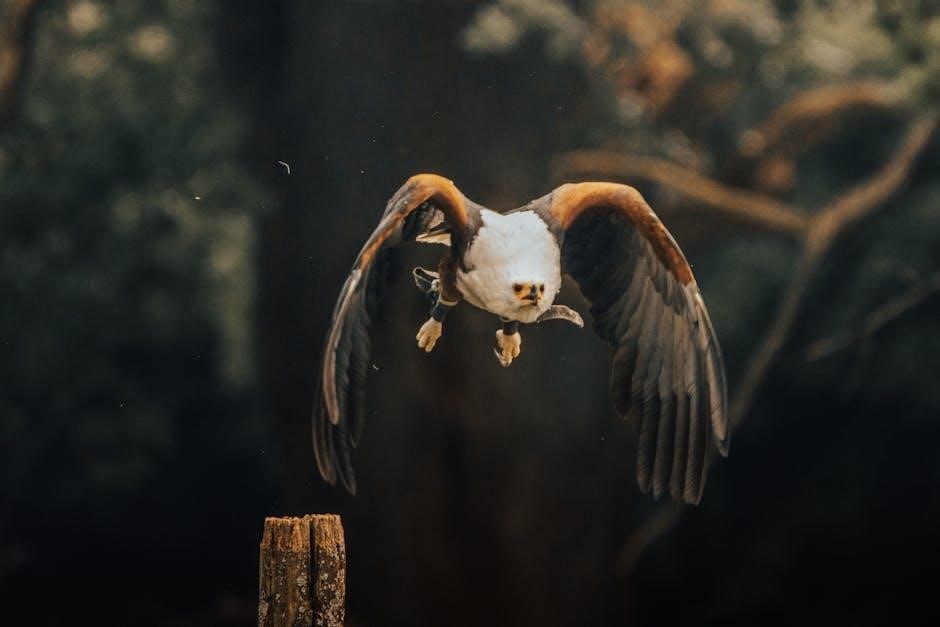
In the context of theHunter: Call of the Wild, while the game doesn’t explicitly feature prayer mechanics, the underlying principle of ethical hunting remains paramount․ A mindful approach, akin to a prayerful one, encourages responsible shot placement and respect for the simulated wildlife․ It’s a personal practice, fostering a deeper appreciation for the hunt itself․
Respect for the Animal and the Hunt
Ethical hunting transcends simply bagging a trophy; it’s about honoring the animal and the natural world․ This respect manifests in several ways, from ensuring a quick, clean kill to utilizing every part of the harvested animal whenever possible․
Within theHunter: Call of the Wild, this translates to prioritizing shot placement, selecting appropriate weaponry, and adhering to hunting regulations within each reserve․ Even in a simulated environment, responsible hunting practices are crucial․
Acknowledging the animal’s sacrifice fosters a deeper connection to the hunt, moving beyond mere sport to a mindful interaction with nature․ It’s a recognition of the cycle of life and death, and a commitment to sustainable practices․ Ultimately, respect elevates the hunting experience․