Subaru EA190V Pressure Washer Manual: A Comprehensive Guide
This manual details the Subaru EA190V engine powering your pressure washer, covering specifications, safety, maintenance, troubleshooting, and parts information for optimal performance.
The Subaru EA190V is a robust and reliable 9.3 horsepower, single-cylinder, four-stroke engine commonly utilized in pressure washer applications. Known for its durability and ease of starting, this engine provides consistent power for a variety of cleaning tasks. This manual provides comprehensive guidance for owners and technicians regarding operation, maintenance, and repair of the EA190V within a pressure washer context.
Understanding the specific characteristics of the EA190V, including its fuel requirements (Super or Lead-Free gasoline), is crucial for optimal performance and longevity. Proper maintenance, as outlined in this guide, will ensure years of dependable service. This manual also addresses safety precautions essential for preventing accidents and ensuring user well-being during operation and servicing.
Overview of Pressure Washer Applications
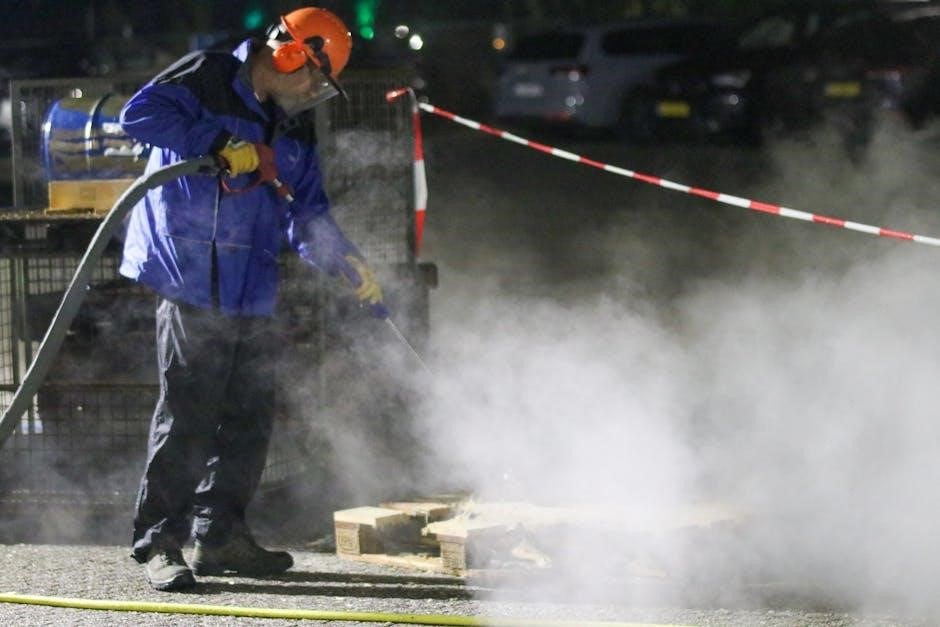
Pressure washers powered by the Subaru EA190V engine are versatile tools employed in a wide spectrum of cleaning applications. These range from residential tasks like cleaning decks, siding, and vehicles, to more demanding commercial uses such as fleet washing and industrial equipment maintenance.
The EA190V’s power output is well-suited for generating sufficient pressure to remove dirt, grime, mold, and other stubborn contaminants from various surfaces. Different nozzle attachments allow users to adjust the spray pattern and intensity for specific cleaning needs. Understanding the appropriate application for your pressure washer, and adhering to safety guidelines, is paramount for effective and safe operation. Regular maintenance, detailed within this manual, ensures consistent performance across all applications.
Understanding the EA190V Engine Specifications
Detailed specifications, including displacement, power output, fuel requirements (Super or Lead-Free), and operating conditions, are crucial for optimal engine performance.
Engine Displacement and Power Output
The Subaru EA190V engine, commonly found in pressure washers, boasts a single-cylinder, air-cooled, four-stroke design. Its displacement is approximately 190cc (cubic centimeters), providing a robust power source for various cleaning applications.
Power output is typically rated around 6.3 horsepower (HP) or 4.7 kilowatts (kW), delivering sufficient force for effective pressure washing. This output allows for consistent performance under normal operating loads. The engine’s compact size and lightweight construction contribute to the overall portability and maneuverability of the pressure washer unit.
Understanding these specifications is vital for selecting the appropriate pressure washer for your needs and ensuring optimal performance and longevity of the EA190V engine.
Fuel Requirements: Super or Lead-Free
The Subaru EA190V engine is designed to operate reliably on either super (premium) or lead-free gasoline; However, it’s crucial to maintain a consistent fuel grade throughout the engine’s lifespan to avoid potential performance issues. Using fuel with a minimum octane rating of 87 is recommended for optimal combustion and engine protection.
Avoid using fuel containing lead, as it can damage the catalytic converter (if equipped) and negatively impact engine performance. Always ensure the fuel is fresh and free from contaminants like water or dirt.
Refer to the engine’s emissions label for specific fuel recommendations. Proper fuel selection is paramount for maximizing engine life and maintaining warranty validity.
Operating Conditions and Atmospheric Pressure
The Subaru EA190V engine’s performance is influenced by ambient temperature and atmospheric pressure. Optimal operation occurs within a temperature range of 5°F to 104°F (-15°C to 40°C). Performance may decrease at extremely high or low temperatures.
Altitude also plays a role; higher altitudes result in reduced air density, potentially affecting power output. The engine is calibrated for operation up to an altitude of 6,562 feet (2,000 meters). Above this level, a slight power reduction may be noticeable.
Consistent performance relies on maintaining the engine within specified operating conditions and considering atmospheric factors. Regular maintenance, as outlined in this manual, is vital for optimal function.

Safety Precautions and Warnings
Always prioritize safety! This section details crucial guidelines for fuel handling, engine operation, and general use to prevent injury and ensure safe operation.
General Safety Guidelines
Before operating your Subaru EA190V pressure washer, thoroughly read and understand this manual. Always wear appropriate personal protective equipment, including safety glasses and hearing protection. Ensure the work area is well-ventilated and free from flammable materials. Never operate the pressure washer indoors or in enclosed spaces.
Inspect the pressure washer for any damage before each use. Do not modify the engine or pressure washer in any way. Keep children and bystanders away from the operating area. Be aware of your surroundings and potential hazards. Never point the spray wand at yourself or others.
Always disconnect the spark plug wire before performing any maintenance or repairs. Allow the engine to cool completely before refueling. Use only approved accessories and replacement parts. Store the pressure washer in a safe, dry location.
Fuel Handling Safety
When refueling your Subaru EA190V pressure washer, always stop the engine and allow it to cool completely. Refuel outdoors in a well-ventilated area, away from open flames or sparks. Use a funnel to avoid spills and never overfill the fuel tank. The EA190V accepts either Super or lead-free gasoline; consult your manual for specific octane recommendations.
Wipe up any spilled fuel immediately with a clean cloth; Do not smoke or use open flames near fuel. Store gasoline in an approved container, away from heat and direct sunlight. Never use gasoline as a cleaning agent.
Ensure the fuel cap is securely tightened after refueling. Be mindful of atmospheric pressure and temperature variations, as these can affect fuel performance. Improper fuel handling can lead to fire or explosion.
Engine Operation Safety
Prior to starting the Subaru EA190V engine, ensure the pressure washer is on a stable, level surface. Never operate the unit indoors or in poorly ventilated areas, as exhaust fumes contain carbon monoxide. Keep bystanders, especially children and pets, a safe distance away during operation.
Always wear appropriate safety gear, including eye protection and hearing protection. Never point the spray wand at yourself or others. Be aware of your surroundings and potential hazards.
Do not modify the engine or pressure washer in any way. Regularly inspect the unit for damage before each use. Stop the engine immediately if you notice any unusual noises or malfunctions. Atmospheric pressure can affect engine performance; operate within specified conditions.

Pressure Washer Component Identification
Locate the engine, pump, hose connections, and control panel. Diagrams illustrate assembly, aiding in understanding the EA190V’s integration within the pressure washing system.
Engine Assembly Diagram
The Subaru EA190V engine assembly diagram provides a detailed visual representation of all engine components and their precise locations. This comprehensive illustration is crucial for both maintenance and repair procedures. Key components labeled include the cylinder head, cylinder block, crankshaft, piston, connecting rod, valves, carburetor, recoil starter, and muffler.
Understanding the arrangement of these parts facilitates accurate disassembly and reassembly. The diagram also highlights essential seals, gaskets, and fasteners. Referencing this diagram alongside the parts list ensures correct component identification when ordering replacements. Proper assembly is vital for optimal engine performance and longevity, preventing issues like oil leaks or reduced power output. Always consult the diagram before undertaking any significant engine work.
Pump and Hose Connections
Proper pump and hose connections are critical for safe and effective pressure washer operation. This section details the secure attachment of the high-pressure pump to the Subaru EA190V engine, utilizing a robust coupling system. It illustrates the correct method for connecting the high-pressure hose to the pump outlet, ensuring a leak-proof seal with appropriate fittings.
Furthermore, it covers the water inlet connection, emphasizing the need for a clean water supply and a properly installed filter. Incorrect connections can lead to reduced pressure, water leaks, or even damage to the pump. Always verify the tightness of all connections before each use. Regularly inspect hoses for wear and tear, replacing them promptly if damaged to prevent hazardous failures.
Control Panel and Settings
The control panel houses essential settings for adjusting pressure and engine speed on your Subaru EA190V powered pressure washer. This section details each control’s function, including the power switch, pressure regulator, and any optional detergent injection controls. Understanding these settings allows for customized cleaning based on the surface being treated.
Learn to safely adjust the pressure regulator to prevent damage to delicate surfaces. The manual clarifies the meaning of indicator lights, such as low oil or engine overheat warnings. Proper use of the controls maximizes cleaning efficiency and extends the lifespan of your equipment. Always refer to the panel diagram for accurate identification of each setting;
Maintenance Schedule and Procedures
Regular maintenance, including oil changes, air filter checks, and spark plug inspections, ensures optimal performance and longevity of your Subaru EA190V engine.
Oil Change Procedures
Maintaining the correct oil level and quality is crucial for the Subaru EA190V engine’s health. Begin by warming the engine briefly. Locate the oil drain plug beneath the engine and position a suitable oil pan. Carefully remove the plug, allowing the old oil to drain completely.
Once drained, replace the drain plug with a new washer, tightening it securely. Next, locate the oil fill cap and remove it. Using a funnel, pour in the recommended oil type and quantity – typically around 0.6 liters, but always verify in your manual.
Check the oil level using the dipstick, ensuring it falls within the designated range. Finally, securely replace the oil fill cap and dispose of the used oil responsibly at a designated recycling center. Regular oil changes, typically every 50-100 hours of operation, will significantly extend your engine’s lifespan.
Air Filter Cleaning and Replacement
A clean air filter ensures optimal engine performance and prevents damage. Regularly inspect the air filter for dirt and debris. If it appears lightly soiled, gently tap it to remove loose particles or use low-pressure compressed air, blowing from the inside out. Avoid using water or solvents.
For heavily soiled filters, replacement is recommended. Locate the air filter housing, typically secured with clips or screws. Carefully remove the cover and extract the filter. Ensure the new filter is correctly oriented before installation.
Reattach the air filter housing cover securely. A clogged air filter restricts airflow, leading to reduced power and increased fuel consumption. Check and clean or replace the filter every 25-50 hours of operation, or more frequently in dusty conditions.
Spark Plug Inspection and Replacement
Regular spark plug inspection is crucial for maintaining efficient engine combustion. Disconnect the spark plug wire and carefully remove the spark plug using a spark plug wrench. Inspect the electrode for wear, fouling, or damage. A healthy spark plug will have a tan or light gray color.
If the spark plug is oily, blackened, or shows signs of excessive wear, replace it with a new spark plug of the correct type, specified in the engine’s parts list. Ensure the gap is set correctly using a feeler gauge before installation.
Reinstall the spark plug, tightening it to the manufacturer’s specified torque. Reconnect the spark plug wire securely. Faulty spark plugs can cause starting difficulties, misfires, and reduced engine power. Replace spark plugs every 100 hours of operation.
Troubleshooting Common Issues
This section provides solutions for typical problems like starting failures, reduced pressure, and overheating, ensuring your Subaru EA190V pressure washer operates reliably.
Engine Starting Problems
Difficulty starting your Subaru EA190V pressure washer engine can stem from several causes. First, verify sufficient fuel in the tank and ensure the fuel valve is open.
Check the spark plug for fouling or damage; a replacement might be necessary. Confirm the air filter is clean, as a clogged filter restricts airflow.
Inspect the recoil starter mechanism for proper function – a damaged pull cord or spring can prevent starting. Low compression, potentially due to worn piston rings or valves, also hinders ignition.
Ensure the choke is engaged correctly when starting a cold engine, and disengage it as the engine warms up. Finally, stale fuel can cause starting issues; consider using fresh fuel.
If problems persist, consult a qualified technician for diagnosis and repair.
Low Pressure Output
Reduced pressure from your Subaru EA190V powered pressure washer often indicates issues within the pump system. First, inspect the high-pressure hose for kinks, leaks, or blockages; replace if damaged.
Check the nozzle for clogs – debris can significantly restrict water flow. Examine the water inlet filter for obstructions and clean it thoroughly.
Verify adequate water supply to the pump; insufficient inlet pressure will lower output. Inspect the pump’s unloader valve, ensuring it’s functioning correctly to regulate pressure.
Internal pump wear, such as worn seals or pistons, can also cause pressure loss, requiring professional repair or pump replacement.
Ensure all connections are tight and secure to prevent pressure leaks.
Engine Overheating
Overheating in your Subaru EA190V engine can stem from several causes. Insufficient cooling is a primary concern; ensure the cooling fan is operational and unobstructed. Check the oil level – low oil compromises lubrication and increases friction, leading to heat buildup.
A clogged air filter restricts airflow, causing a rich fuel mixture and higher combustion temperatures. Inspect and replace the air filter as needed.
Verify proper carburetor adjustment; an improperly tuned carburetor can cause overheating.
Prolonged operation under heavy load without adequate ventilation can also contribute to overheating. Allow the engine to cool down periodically.
If overheating persists, consult a qualified technician for diagnosis and repair.

Detailed Manual Sections
Explore in-depth guides for carburetor adjustments, valve clearance procedures, and recoil starter repairs, ensuring precise maintenance of your Subaru EA190V engine.
Carburetor Adjustment
The carburetor mixes air and fuel for optimal engine combustion. Adjustment is crucial for smooth operation and efficient performance. Begin by ensuring the engine is warmed up to normal operating temperature. Locate the idle speed adjustment screw and the mixture control screw on the carburetor.
Slightly turn the idle speed screw to achieve the desired idle RPM, typically around 1700-2000 RPM. Next, adjust the mixture control screw – turning it clockwise leans the mixture, while counterclockwise richens it. Adjust until the engine runs smoothly and responds well to throttle changes.
Be cautious, as improper adjustment can lead to poor fuel economy or engine damage. If unsure, consult a qualified technician. Regular checks and adjustments maintain peak engine efficiency.
Valve Clearance Adjustment
Maintaining correct valve clearance is vital for optimal engine performance and longevity. Incorrect clearance can cause issues like noisy operation, reduced power, and even engine damage. This procedure requires specific tools and a degree of mechanical skill. Consult the engine specifications for the correct intake and exhaust valve clearances.
Remove the valve cover to access the valves; Rotate the engine to the specified timing marks for each cylinder. Use a feeler gauge to measure the clearance between the valve stem and the rocker arm.
Adjust the clearance using shims if necessary, following the manufacturer’s instructions. Re-check the clearance after adjustment. Proper valve clearance ensures efficient combustion and extends engine life.
Recoil Starter Repair
A malfunctioning recoil starter prevents easy engine starting. Common issues include a broken pull cord, a damaged recoil starter assembly, or a seized pawl. Begin by inspecting the pull cord for fraying or breakage; replace if damaged. Disassemble the recoil starter assembly carefully, noting the orientation of all parts.
Examine the pawl and ratchet gear for wear or damage. A worn pawl may not engage properly, preventing the engine from turning over. Clean and lubricate all moving parts. If the recoil starter is severely damaged, replacement is often the most practical solution.
Reassemble the starter, ensuring correct component alignment, and test its functionality.

Parts List and Ordering Information
Detailed diagrams showcase engine and pump components. Locate part numbers for easy ordering of replacements, ensuring your Subaru EA190V pressure washer’s longevity.
Engine Parts Diagram
The Subaru EA190V engine parts diagram provides a visual representation of all components, facilitating identification for maintenance and repair. This detailed illustration showcases the cylinder head, valve assembly, piston, connecting rod, crankshaft, and lubrication system. Key parts like the carburetor, recoil starter, and muffler are clearly labeled.
Understanding this diagram is crucial for ordering the correct replacement parts. Each component is assigned a unique part number, essential for accurate identification when contacting Subaru dealers or online parts retailers. The diagram also highlights the engine’s external components, including the fuel tank, air filter housing, and exhaust manifold. Proper referencing of this diagram ensures efficient repairs and minimizes downtime, keeping your pressure washer operating at peak performance. Always consult the diagram alongside the parts list for precise matching.
Pump Parts Diagram
The pump parts diagram illustrates the intricate components of your pressure washer’s pump, vital for generating high-pressure water flow. This detailed schematic identifies the pump housing, piston, connecting rod, valve assembly, and seals. Crucially, it showcases the water inlet and outlet connections, alongside the unloader valve responsible for pressure regulation.
Each pump component is labeled with a specific part number, essential for accurate ordering of replacements. Understanding this diagram aids in diagnosing pump-related issues, such as leaks or reduced pressure. The diagram also highlights the high-pressure hose connections and trigger mechanism. Proper identification of parts ensures efficient repairs and maintains optimal cleaning performance. Always cross-reference the diagram with the parts list to guarantee compatibility and a successful repair process, extending the lifespan of your pressure washer.
Finding Replacement Parts
Locating replacement parts for your Subaru EA190V powered pressure washer is crucial for maintaining its functionality. Begin by referencing the engine and pump parts diagrams within this manual to identify the correct part number. Authorized Subaru dealers are a primary source, ensuring genuine Subaru components. Online parts retailers specializing in small engine repair offer a convenient alternative, often with competitive pricing.
When ordering, always verify compatibility with your specific model number. Providing the engine serial number can further refine the search. Consider local hardware stores or pressure washer repair shops for common parts like hoses or nozzles. Remember to compare prices and shipping costs before finalizing your purchase. Maintaining a stock of essential parts, like spark plugs and oil filters, minimizes downtime and ensures continued operation.

Warranty Information
This section outlines the warranty coverage for both the Subaru EA190V engine and the complete pressure washer unit, detailing claim procedures.
Subaru Engine Warranty Details
Subaru engines, including the EA190V, are covered by a limited warranty against defects in materials and workmanship. This warranty typically begins on the date of purchase by the original end-user. The duration varies, often ranging from one to three years for commercial use, and potentially longer for residential applications.
Coverage includes repair or replacement of defective parts, at Subaru’s discretion. However, the warranty does not cover damage resulting from misuse, improper maintenance (like incorrect oil type – Super or Lead-Free is specified), neglect, accidents, or unauthorized modifications. Maintaining proper operating conditions and atmospheric pressure is also crucial for warranty validity.
Keep your proof of purchase for warranty claims. Contact an authorized Subaru service dealer for all warranty-related issues.
Pressure Washer Warranty Details
The pressure washer itself, separate from the Subaru EA190V engine, carries its own warranty, typically covering manufacturing defects in the pump, hoses, and control panel. This warranty period often differs from the engine warranty, frequently lasting one year from the original purchase date.
Warranty coverage extends to repairing or replacing defective components, as determined by the manufacturer. However, it generally excludes wear-and-tear items, damage caused by freezing, misuse, or using improper detergents. Proper maintenance, as outlined in this manual, is essential for maintaining warranty coverage.
Retain your purchase receipt and warranty documentation. Contact the pressure washer manufacturer directly for all warranty claims related to the unit itself, not the Subaru engine;
Claim Procedures
To initiate a Subaru EA190V engine warranty claim, first contact an authorized Subaru service dealer. Provide proof of purchase, including the original sales receipt and the engine’s serial number. The dealer will diagnose the issue and determine if it’s covered under warranty.
If the claim is approved, the dealer will either repair the engine or replace it with a new or remanufactured unit, at Subaru’s discretion. Keep detailed records of all communication with the dealer and Subaru.
For pressure washer component claims, contact the original retailer or manufacturer directly, providing similar documentation. Ensure all claims are submitted within the specified warranty timeframe.